Ani’s insomnia
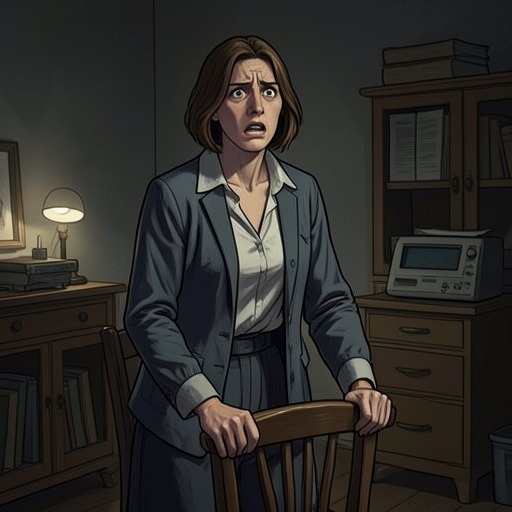
Luckiest Girl AliveTifAni FaNelli’s insomnia is a pattern of vigilance in which sleep feels possible only after daylight and the ordinary sounds of other people’s lives make danger seem unlikely. Its return, around the time she became engaged to Luke Harrison, disrupts their shared routines and gives a bodily form to the dread she cannot simply sleep away.
Pattern and Conditions
TifAni distinguishes genuine sleep from the thin rest she has learned to endure during the week. She can truly sleep only when sunlight reflecting off the Freedom Tower drives her to the other side of the bed. By then, Luke is moving around the kitchen making egg-white omelettes, and neighbors are arguing about who took out the trash. These banal signs of everyday life reassure her that the world is too ordinary to terrorize anyone; when the dull fuzz in her ears arrives, she can finally sleep.
This dependence on daylight reverses the conventional rhythm of sleep. Night, when others surrender to unconsciousness, is precisely when TifAni cannot imagine doing so. Safety comes not through silence or isolation but through evidence that other people are awake and occupied nearby. The small domestic noises that accompany her sleep therefore mark a condition she cannot produce by will alone.
Return and Relationship Strain
TifAni recalls that the first two years of her relationship with Luke offered a reprieve. When she lay entwined with him, night could pass without her feeling compelled to chase after it; on the few occasions she woke, even his sleeping face seemed reassuring. She compares Luke’s good nature to the powerful bug spray used at his parents’ summer home in Nantucket: it could ward off the dread, an unsettlingly calm sense that something bad was about to happen.
That respite ended. TifAni locates the return of her sleeplessness around the time she and Luke became engaged, eight months before the events she is describing. The timing places the insomnia beside a major change in their relationship, although she does not state that the engagement caused it. What she does identify is the loss of the earlier ease: the night no longer slips away simply because Luke is beside her.
Attempts to Manage It
Luke suggests that TifAni see a doctor and consider Ambien. She nods as if weighing the suggestion, but privately regards sleeping pills as a form of vulnerability. Her resistance is not presented as a rejection of help in general so much as a fear of surrendering control through unconsciousness—the very state she cannot safely enter at night.
The couple’s Saturday routine makes the change visible. For almost three years, they had run together across the Brooklyn Bridge nearly every Saturday. When Luke tries to wake her for a run, TifAni begins pushing him away. His response is not to withdraw: he sees what he regards as a regression and commits himself more deeply, as though he can help change her back. His care thus meets a problem that cannot be solved by restoring a routine or applying optimism; the safety that once let her sleep in his arms has already receded.